)
)
)
What Could the UK's New Aesthetics Regulations Mean for Consumer Decision-Making?
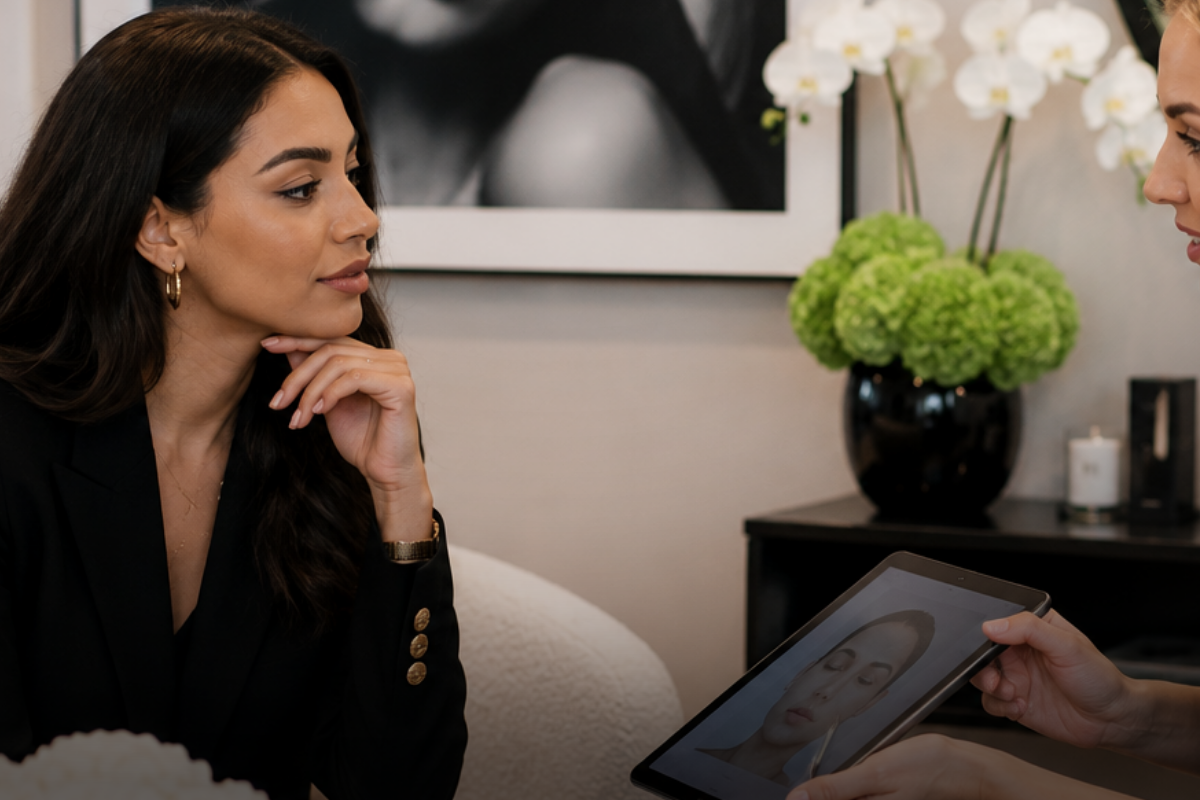
The UK aesthetics industry is potentially approaching one of its biggest regulatory changes in recent years.
Following the Government's consultation on introducing a licensing scheme for non-surgical cosmetic procedures, new regulations are expected this Summer to establish clearer standards for practitioners, treatment premises and higher-risk procedures. The consultation attracted more than 11,800 responses, demonstrating widespread support for improving patient safety and strengthening confidence across the aesthetics sector. For clinics, the proposed changes represent an important step towards greater consistency. For consumers, however, the impact may extend beyond licensing alone.
As regulation receives greater public attention, patients may begin asking different questions before choosing an aesthetic practitioner. Rather than relying solely on recommendations, online reviews or social media, could consumers begin taking more time to understand who is carrying out their treatment, how experienced and well-regarded they are and what safeguards are in place?
If so, what could that mean for the future for aesthetic clinics?
Could UK aesthetics regulations change how consumers choose an aesthetic practitioner?The Government has made it clear that its proposed licensing framework is designed to improve patient safety and public confidence.
Alongside introducing licensing requirements for practitioners and premises, Ministers have confirmed that higher-risk procedures should only be performed by appropriately qualified healthcare professionals in suitable clinical environments.
These changes are expected to strengthen standards across the sector. They may also encourage consumers to take a greater interest in the decision-making process before treatment. For many people considering aesthetic procedures, choosing a practitioner has traditionally been influenced by location, recommendations, social media content or price. As awareness of regulation increases from news and media coverage, future patients may begin asking different questions.
Questions such as:
-
Who will be carrying out my treatment?
-
What qualifications and experience do they have?
-
Which products will be used?
-
What happens if complications occur?
-
What aftercare is provided?
-
Why is this treatment right for me?
These are questions that responsible practitioners answer every day. However, greater public awareness could mean they become a routine part of the consumer journey rather than questions asked only by a small number of patients.
How will customers navigate this increasingly complex landscape?
Treatment information is readily available through clinic websites, social media, podcasts, news coverage and online communities. While this provides greater access to information, it can also make it difficult to distinguish between expert advice, personal opinion and marketing.
According to Lauren Gibson, aesthetics industry fractional consultant and a country head for injectables and energy based devices within pharma, understanding how consumers navigate this increasingly complex landscape is becoming an important discussion across the sector.
Lauren believes consumers are often overwhelmed by the volume of information available and may not always know which questions they should ask before treatment or how to identify a reputable practitioner. She says she has noticed frequently misplaced trust, with consumers sometimes relying on social media presence and marketing rather than qualifications, training and patient safety standards.
As regulation develops, it will be interesting to see whether consumers become more inquisitive and spend longer comparing clinics before making a decision. If consumer expectations evolve in this way, responsible practitioners may have greater opportunities to demonstrate the expertise, transparency and patient care that already form part of their everyday practice.
The value of aesthetics and medical consultations
Professional bodies have encouraged patients to ask questions for many years. The Joint Council for Cosmetic Practitioners (JCCP) Code of Practice recommends that patients receive sufficient information to make an informed decision, including discussion around treatment options, expected outcomes, potential risks, aftercare and alternative procedures. It also recommends allowing patients adequate time to consider treatment before proceeding.
Similarly, the British Association of Aesthetic Plastic Surgeons (BAAPS) advises that patients should understand the benefits, limitations and potential risks of cosmetic procedures before consenting to treatment, while feeling comfortable discussing concerns and asking questions throughout the consultation process.
If awareness of these principles grows alongside the new regulations, consultations may become even more valuable - not because they change, but because consumers may arrive asking more detailed questions than ever before. They may increasingly value conversations that explain not only what treatment has been recommended, but why it is appropriate for their individual needs, what results they can realistically expect and how their practitioner will support them throughout the treatment journey.
The role of technology to help consumers navigate their choicesTechnology may also become an increasingly important part of how consumers research aesthetic treatments. Verified practitioner credentials, trusted educational resources and transparent treatment information could help consumers compare providers before booking a consultation.
Anna Dobbie, former Editor of Aesthetic Medicine Magazine and an aesthetics industry expert, believes technology has an important role to play in supporting this process.
Anna believes platforms such as Twiqk could make aesthetic treatments safer and more transparent by giving patients easy access to trusted information, verified practitioner credentials and the right questions to ask before treatment, helping them make more confident decisions.
Technology is unlikely to replace the reassurance that comes from speaking directly with an experienced practitioner. Instead, they could work alongside each other to help consumers feel better prepared before those conversations begin.
What does this mean for aesthetic clinics?The proposed licensing framework represents an important milestone for the UK aesthetics industry. While its primary purpose is to improve patient safety and establish clearer standards, it may also influence how consumers approach aesthetic treatments.
If patients begin asking more questions before treatment, spending longer researching clinics and taking greater interest in practitioner credentials, responsible clinics may find they are already well positioned to meet those expectations. For many practitioners, transparent consultations, realistic discussions around outcomes, comprehensive aftercare and open communication are already part of everyday clinical practice.
The difference may simply be that consumers begin placing greater value on those qualities when deciding where to have treatment.
Looking aheadThe full impact of the UK's new licensing framework will take time to emerge. What is already clear is that aesthetics is receiving greater public attention than ever before. Alongside stronger regulation, continued discussion around patient safety, transparency and professional standards may encourage consumers to become more confident in asking questions before treatment. If that happens, responsible practitioners may find themselves increasingly able to demonstrate the professionalism, expertise and patient-centred care that have always underpinned high-quality aesthetic practice.
Ultimately, regulation may establish the framework, but the conversations that take place between practitioners and patients could continue to shape how consumers choose an aesthetic clinic for years to come.
About the contributorsLauren Gibson is an Advisory Board Member for AesthetiX Live, aesthetics industry fractional consultant and UK & Ireland commercial leader within global medical aesthetics, specialising in injectables and energy-based devices.
Anna Dobbie is the former Editor of Aesthetics Medicine Magazine and an aesthetics industry expert. She currently works with Twiqk, a platform focused on improving transparency and helping consumers make informed decisions about aesthetic treatments.
Sources-
UK Government – Crackdown on Unsafe Cosmetic Procedures to Protect the Public
-
UK Government – Licensing of Non-Surgical Cosmetic Procedures Consultation
-
Joint Council for Cosmetic Practitioners (JCCP) – Code of Practice 2023
-
British Association of Aesthetic Plastic Surgeons (BAAPS) – Consumer Safety Guidelines
https://baaps.org.uk/patients/safety_in_surgery/consumer_safety_guidelines.aspx -
British Association of Aesthetic Plastic Surgeons (BAAPS) – Safety in Surgery
AesthetiX Live is held at Excel on 10-11 April 2027 and brings clinics, practitioners, brands and consumers together at Excel London. Co-located with The National Wedding Show it places exhibitors in front of over 3,000 high-intent customers within one of the UK’s most important markets.
Download the exhibitor Brochure or enquire about Exhibiting to learn more about lead generation and thought-leadership opportunities for clinics, practitioners and brands.