



How can aesthetics clinics and brands turn their expertise into greater consumer trust, stronger brand recognition and more meaningful commercial opportunities?
With contributions from Lauren Gibson, Global Aesthetics & Commercial Strategy Specialist, and Erin White, Founder of Erin White Global Aesthetic Advisory, both members of the AesthetiX Live Advisory Board, we explore five practical ways to make specialist knowledge work harder, drawing on established marketing thinking and industry experience.
The opportunity is significant, but expertise alone isn't enough. The 2024 Edelman–LinkedIn B2B Thought Leadership Impact Report found that only 15% of decision-makers rated the thought leadership they encountered as very good or excellent. It raises a relevant question for aesthetics businesses: how do you turn what you know into something your audience genuinely values?
1. Start with what you already know
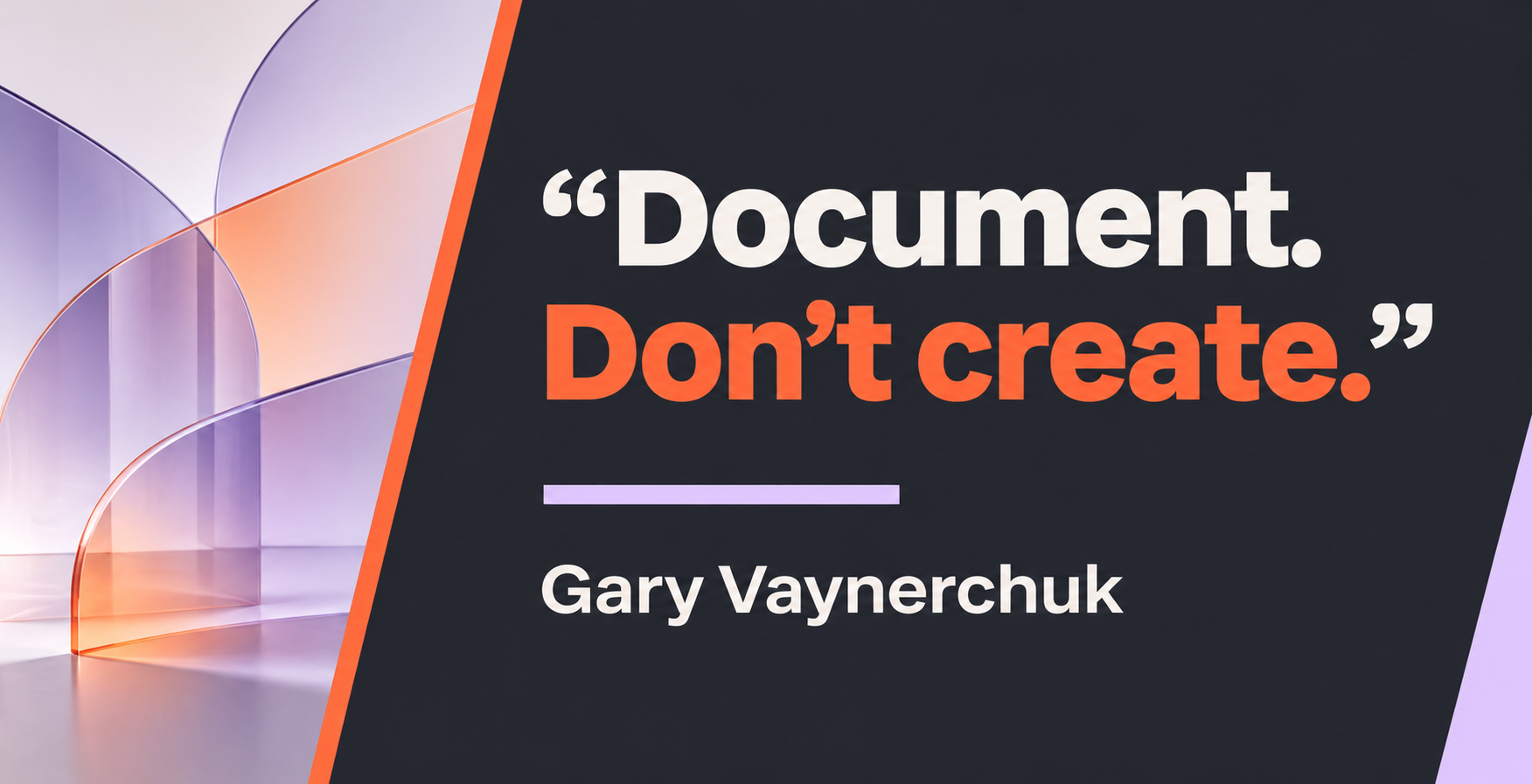
Valuable thought leadership doesn't always require a new idea, major campaign or professionally produced content.
Clinics and brands already possess considerable knowledge through their teams, research, product development and everyday consumer interactions. What feels routine to an expert may be genuinely valuable to someone encountering the subject for the first time.
However, recognising the value of that knowledge is only part of the challenge.
Lauren Gibson, Global Aesthetics & Commercial Strategy Specialist and AesthetiX Live Advisory Board member, sees this regularly through her work coaching clinic teams.
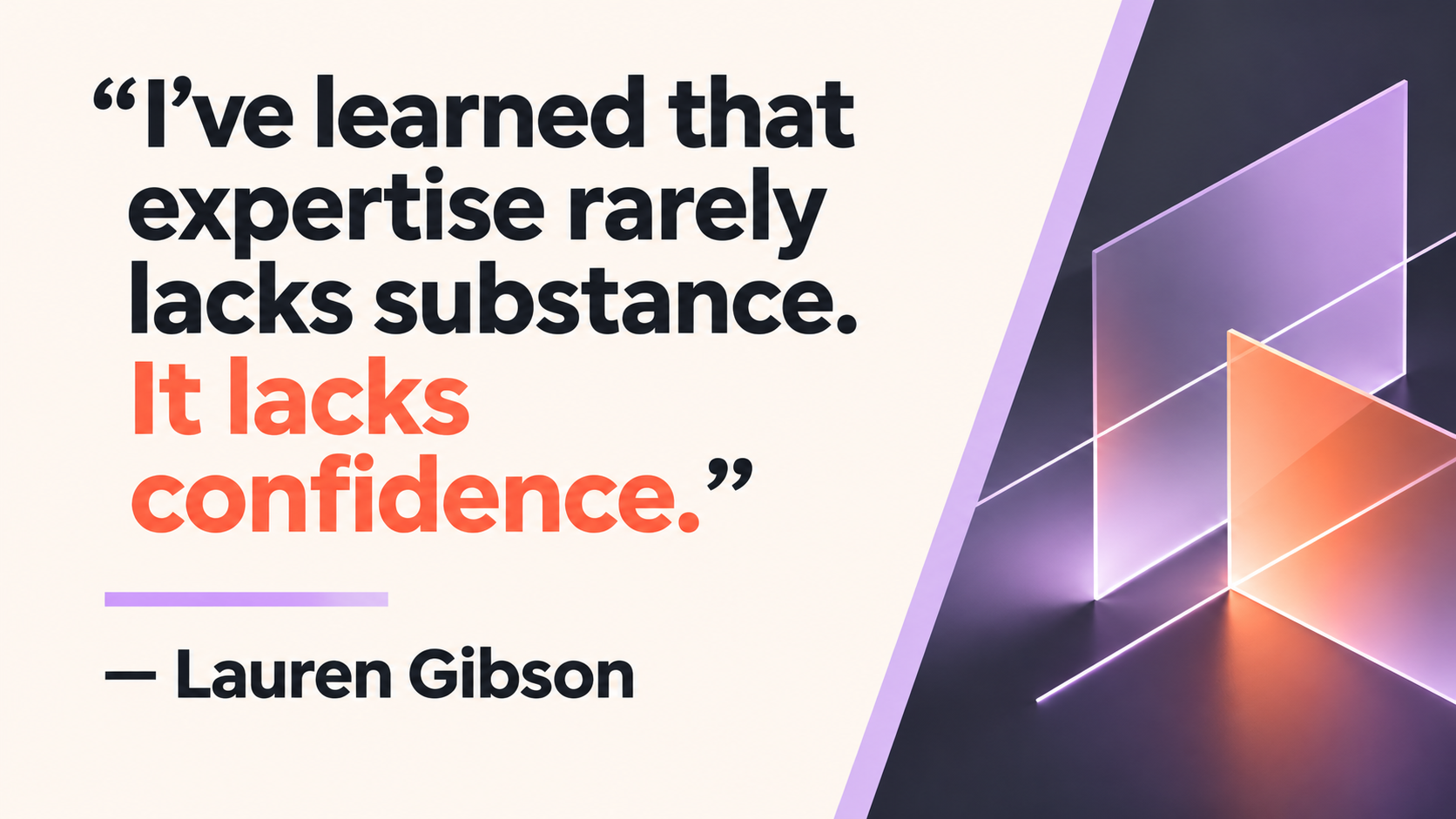
Gibson explains that when practitioners believe in the value of their knowledge, they share it more naturally in clinics, online and face to face. Building confidence within teams can therefore be an important starting point for consistent thought leadership.
For aesthetics businesses, this might involve encouraging practitioners to explain treatment suitability, discuss clinical evidence or answer common consumer questions through short videos, articles or live conversations.
Reference: Gary Vaynerchuk – Creating Content That Builds Your Personal Brand.
2. Develop a distinctive point of view
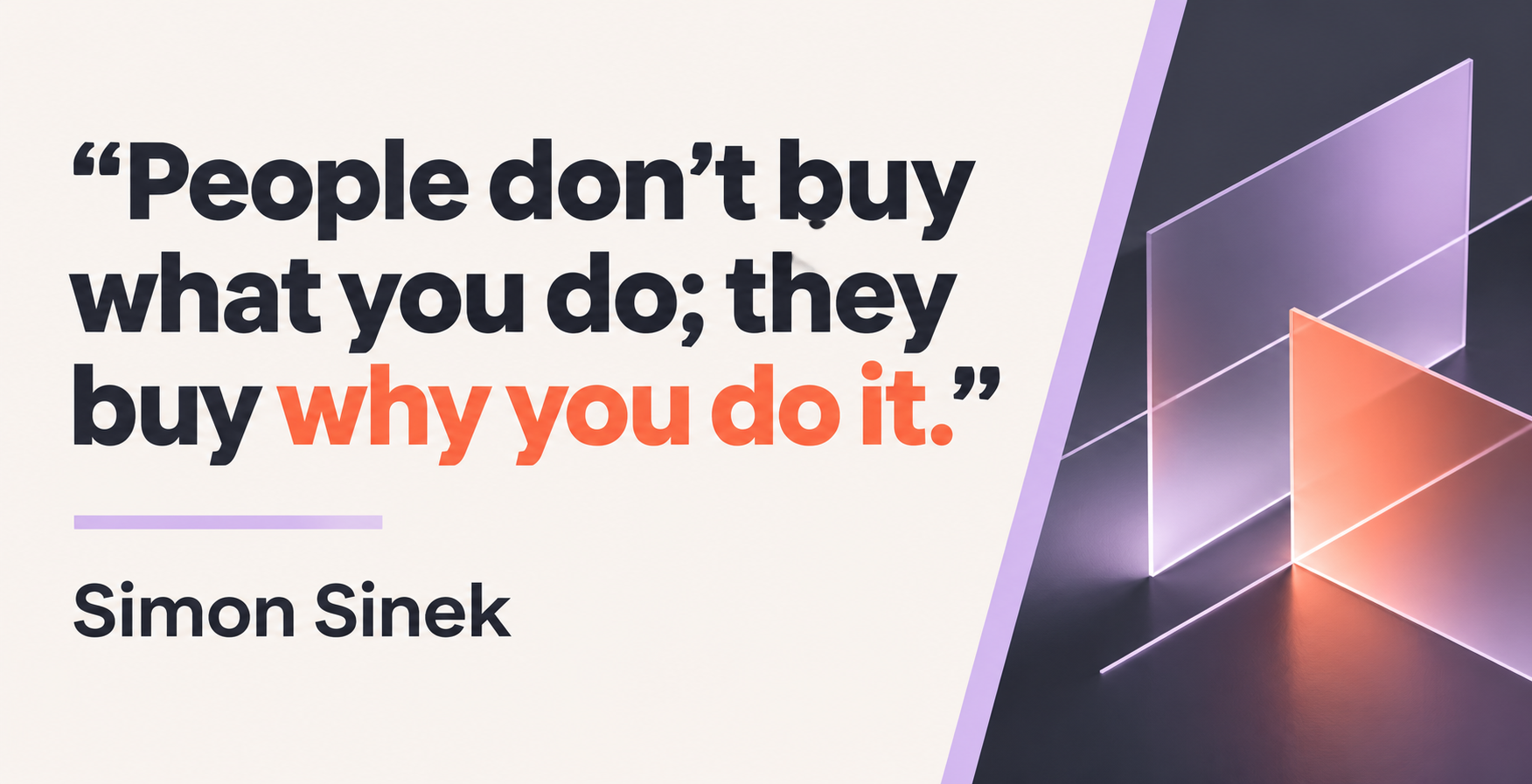
Simon Sinek's Start With Why framework highlights the importance of communicating the purpose and beliefs behind a business.
For thought leadership, this means going beyond products and services to explain the perspective informing your expertise.
Organisations operating in the same market may approach consumer education differently, reflecting particular commitments to scientific evidence, patient safety, innovation or long-term outcomes.
A distinctive point of view doesn't need to be controversial. It can emerge from explaining important considerations, sharing evidence or offering a specialist interpretation of a familiar subject.
Reference: Simon Sinek – How Great Leaders Inspire Action, TED.
3. Make your expertise accessible
Specialist knowledge becomes more valuable when consumers can understand it and use it to make informed decisions.
Marketing author Ann Handley emphasises useful, audience-focused communication. Skincare brand The Ordinary provides a recognisable example: its ingredient-led approach and emphasis on transparent product information have made scientific terminology central to its brand identity.
The wider lesson is that specialist knowledge can become a valuable brand asset when communicated clearly and consistently.
Erin White, Founder of Erin White Global Aesthetic Advisory and AesthetiX Live Advisory Board member, believes that although the industry possesses considerable expertise, translating it into useful consumer communication remains a challenge.
Rather than attempting to demonstrate everything they know, clinics and brands can build trust by answering consumers' actual questions simply and consistently.
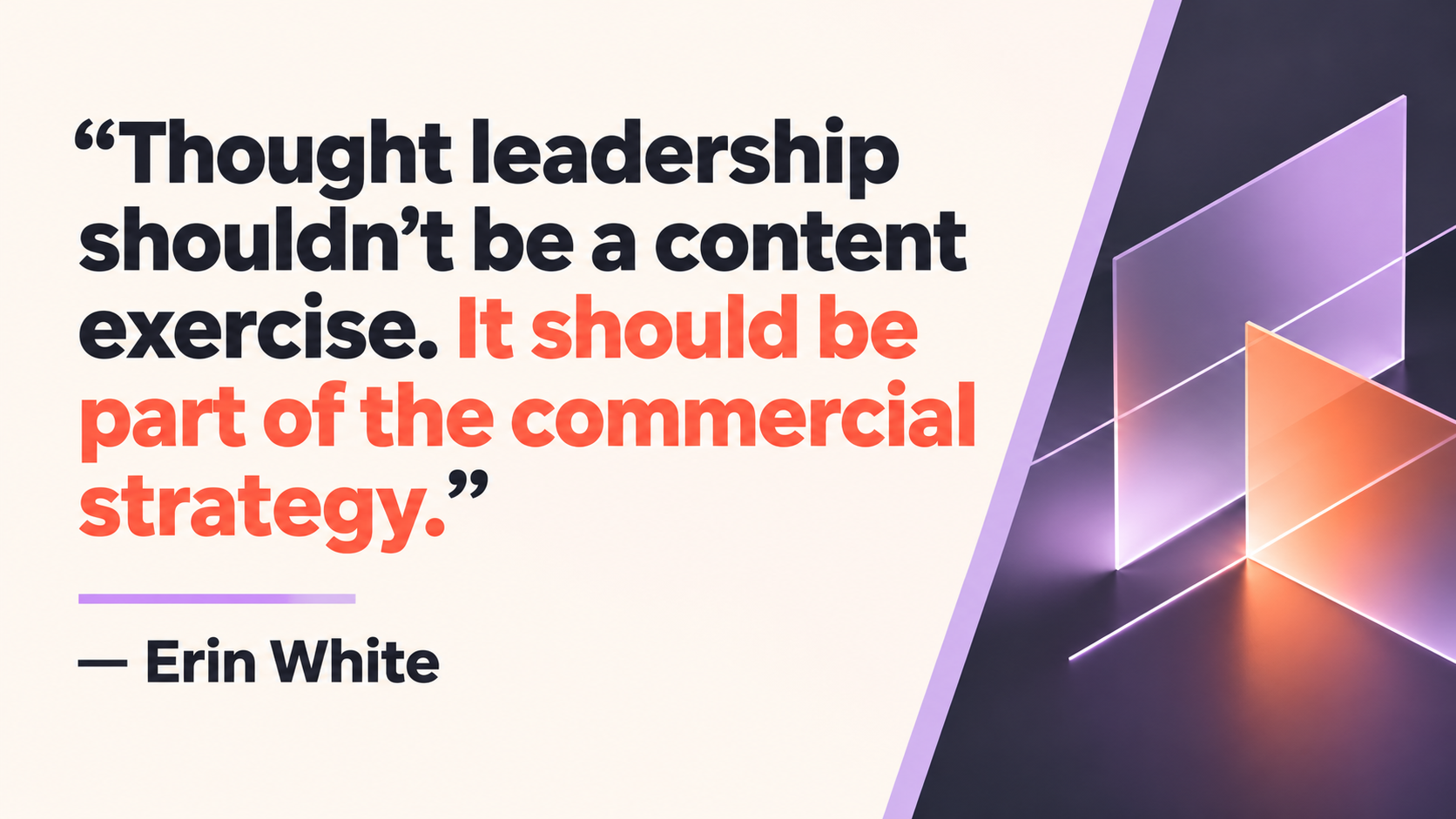
White's perspective highlights the relationship between education and commercial performance. Better-informed patients can approach consultations with greater confidence, develop stronger relationships with providers and become valuable sources of referrals.
Accessible education is therefore about more than communicating information. It can support consumer confidence, the quality of consultations and lasting customer relationships.
References: Ann Handley – Everybody Writes; The Ordinary.
4. Reach consumers when your expertise is relevant
Professor Jenni Romaniuk, of the Ehrenberg-Bass Institute for Marketing Science, has researched Category Entry Points: the situations, needs and motivations that prompt consumers to consider particular products or services.
This is particularly relevant to thought leadership because the value of information often depends on when and why someone encounters it.
A consumer beginning to research aesthetic treatments may want to understand available approaches. Someone comparing providers may be more interested in qualifications, evidence, safety and expected outcomes.
For clinics and brands, the opportunity is to connect specialist knowledge with the questions and decisions consumers are making.
Marketing science also highlights the value of building recognition before someone is ready to purchase.
References: Ehrenberg-Bass Institute; Jenni Romaniuk interview.
5. Build recognition through consistency
Building a reputation for expertise rarely happens through a single article, presentation or campaign.
Marketing professor Mark Ritson highlighted the importance of consistency in his Marketing Week article, Consistency is the Top-Class Marketer's Secret Weapon.
Research published by System1 and the Institute of Practitioners in Advertising (IPA) in 2024 analysed more than 4,000 advertisements from 56 brands, associating creative consistency with stronger marketing effectiveness.
Although this research concerns advertising rather than thought leadership specifically, it reinforces the importance of building recognisable brand associations.
For aesthetics businesses, this could mean developing recurring educational themes, sharing expert perspectives or building content around particular areas of specialist knowledge.
Erin White's emphasis on consistency is particularly relevant. Consumer confidence develops through repeated, useful interactions rather than isolated campaigns.
A single expert conversation might inform an article, video, webinar or live discussion, extending its value across several channels.
References: Mark Ritson – Marketing Week; IPA – Creative Consistency Research.
Bringing thought leadership to life through face-to-face engagement
The Institute of Promotional Marketing's 2026 article, Beyond the Event: How Brands Can Measure Experiential Impact More Effectively, highlights the importance of integrating live experiences into wider marketing strategy.
A central consideration is the distinction between reach and resonance.
Direct conversations, expert discussions and demonstrations allow consumers to explore complex subjects and ask questions relevant to their circumstances.
These interactions can reveal recurring consumer questions, inform future educational content and generate material for wider marketing channels.
Their value should be assessed against defined objectives, including audience relevance, changes in brand perception and commercial outcomes.
Reference: Institute of Promotional Marketing – Beyond the Event.
Making expertise work harder for your business
Thought leadership delivers greater value when it becomes part of a wider commercial strategy rather than an isolated content activity.
Lauren Gibson's focus on practitioner confidence and Erin White's emphasis on accessible, consistent communication highlight two important considerations: expertise needs to be shared, and it needs to be useful to consumers.
For established aesthetics businesses, this means considering how expert knowledge contributes to consumer confidence, brand recognition, stronger relationships and measurable commercial outcomes.
At AesthetiX Live, we're focused on helping clinics and brands make that connection through expert-led consumer education, meaningful face-to-face engagement and opportunities to understand what consumers really want to know.
How could your brand's expertise work harder for your business?
Find out how AesthetiX Live can help connect your expertise with relevant consumers through expert-led experiences and meaningful engagement.
EXPLORE AESTHETIX LIVE PARTNERSHIPS