


What does a responsible Black Friday campaign look like? Five points for clinics and brands to consider
Black Friday can generate sales, but what expectations does it create? We explore how aesthetics businesses can approach seasonal promotions while protecting trust and commercial value.
With contributions from AesthetiX Live advisory board and media council members Lorna Jackson, aesthetics journalist; Julia Kendrick, Founder, Kendrick PR; Erin White, Founder, Erin White Global Aesthetic Advisory; Rick O’Neill, Founder, LTF Digital; and Dallas Waltham, Aesthetics & Beauty Marketing Leader and Community Engagement Chair, AesthetiX Live; alongside Anna Jackson, Founder, AesthetiX Live.
Black Friday can deliver an immediate sales boost, but what will a promotion achieve beyond the initial purchase? For clinics and aesthetics brands, the commercial questions concern longer-term value: who will an offer attract, what expectations will it create and will those relationships last?
Beyond the established legal restrictions on advertising prescription-only medicines, campaigns deserve scrutiny for how they influence decisions. With Black Friday falling on 27 November 2026, here are five points to consider.
1. Are you responding to your business needs or your competitors?
There can be sound reasons to promote selected products, encourage trial or recognise existing customers. Define the intended outcome before choosing the offer, then assess whether discounting is the most effective route.
Research presented by Les Binet and Kantar’s Dom Boyd at the IPA Effectiveness Conference in October 2026 found that 75% of 250 surveyed marketing and insight leaders at UK consumer goods businesses could not estimate what proportion of their promotions were profitable. Their recommendation is greater selectivity and evaluation of immediate and longer-term effects. Read the IPA research summary.
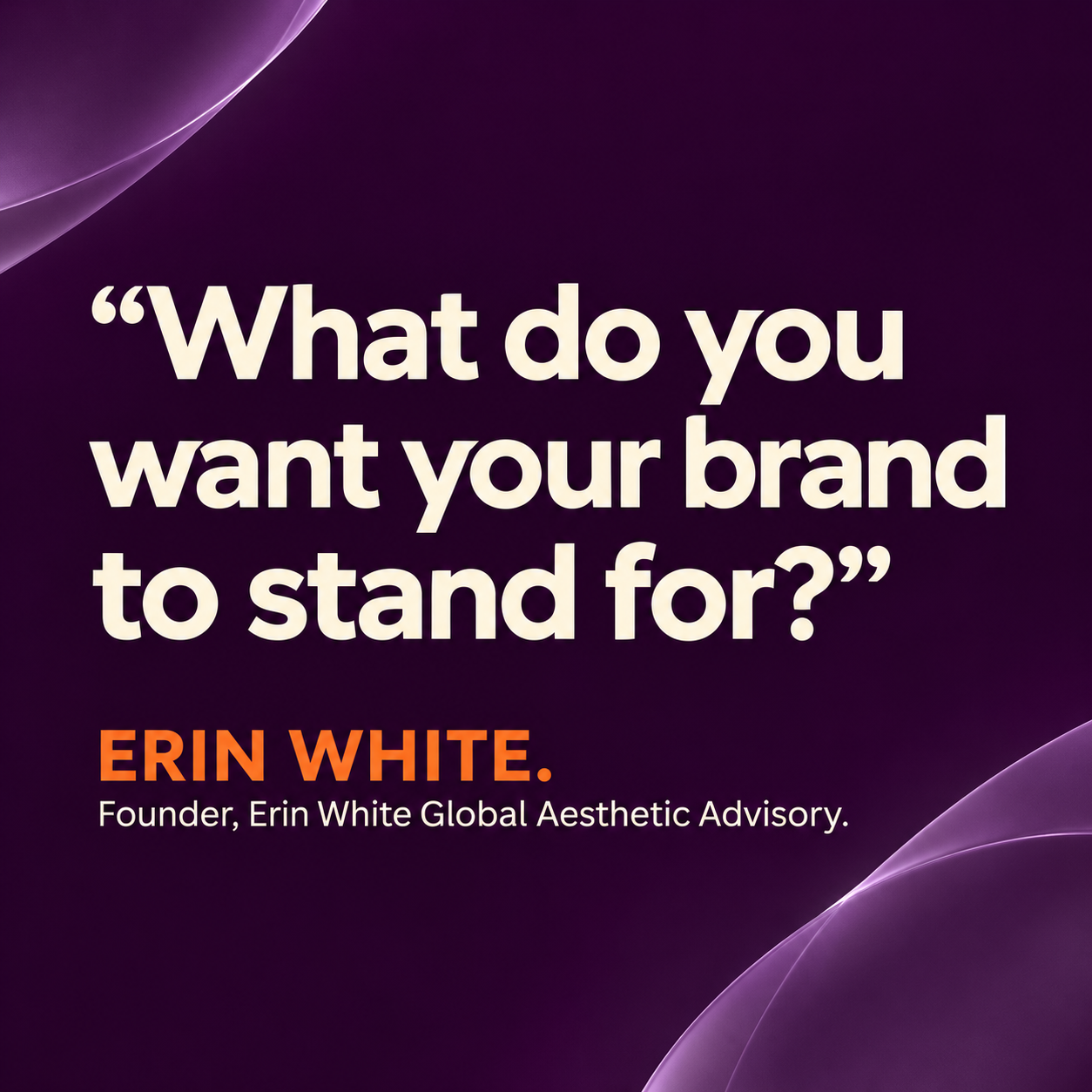
Erin White encourages premium businesses to ask: “Who are you? What do you want your brand to stand for? And how do you want to reward the customers who choose you, trust you and remain loyal to you throughout the year?”
A competitor’s promotion reveals its prices, but little about its margins, objectives or results. Matching it without understanding your own commercial purpose risks allowing someone else’s strategy to determine yours.
2. Does the offer leave people free to decide?
CAP’s October 2026 Black Friday guidance explains that cosmetic promotions are not necessarily irresponsible, but should not frame procedures as impulse purchases or create undue urgency. The presentation matters alongside the terms. Read CAP’s guidance.
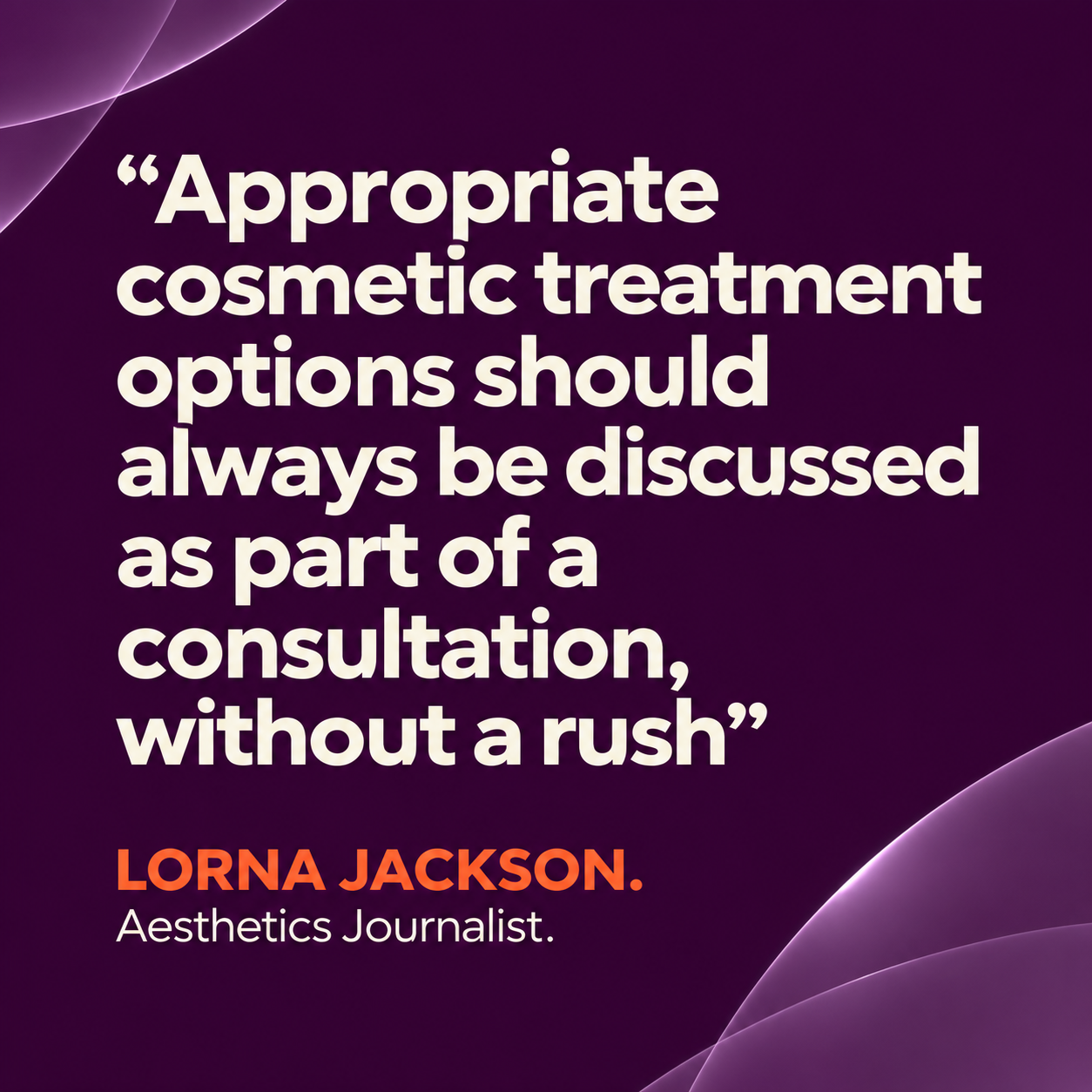
Lorna Jackson warns that offers could encourage people to “pursue unnecessary or unwanted treatments out of fear of missing out”.
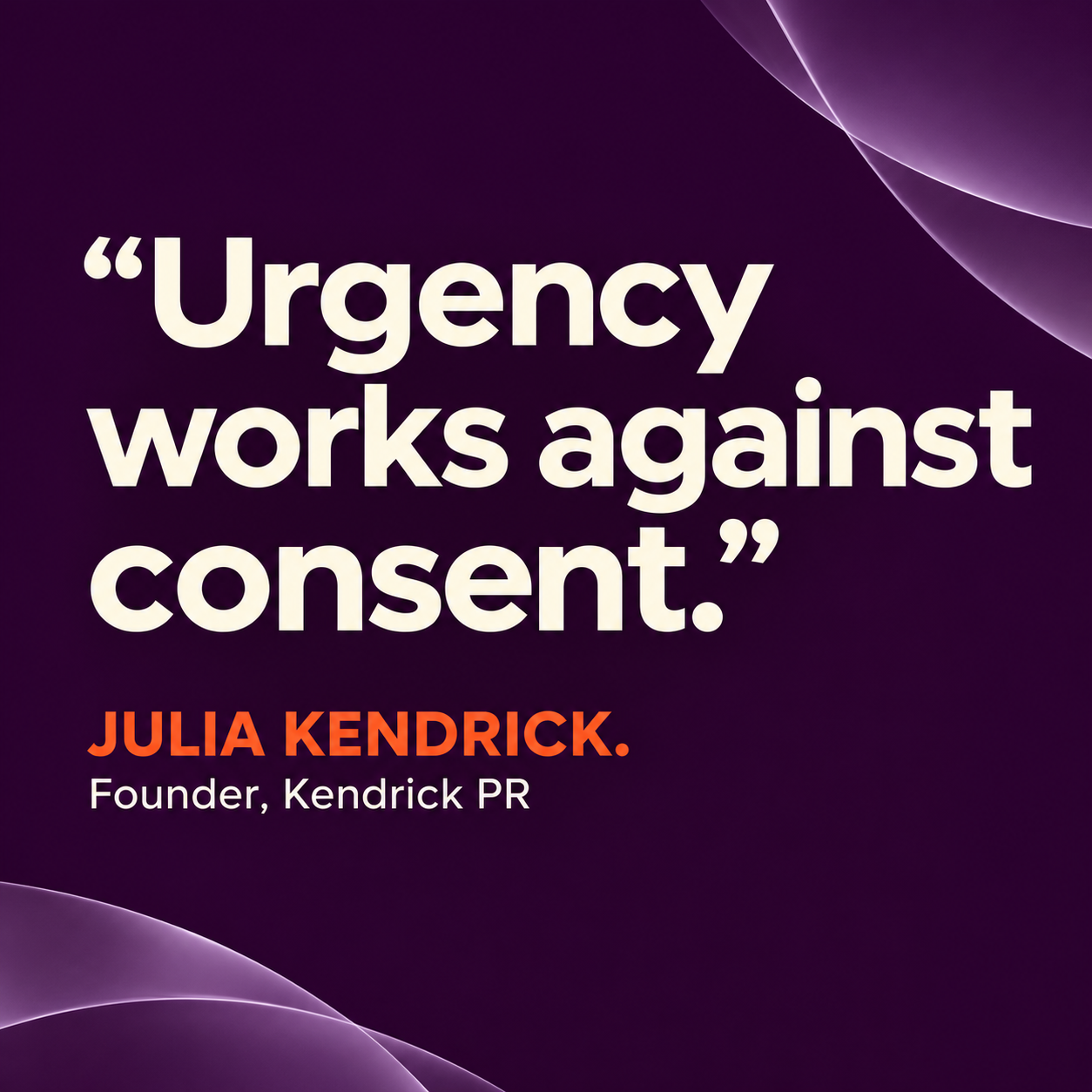
Julia Kendrick identifies the ethical tension: “Urgency works against consent. The point of a consultation is that a patient has room to decide, including room to decide against, and a deadline removes exactly that.”
Review the journey from advertising to purchase or booking. Would someone feel comfortable taking more time, choosing a different product or declining treatment? For brands promoting through clinic partners, consider whether campaign materials support that freedom too.
3. Are you building relationships that work beyond the discount?
Price sensitivity is understandable. Asking about an offer does not make someone a poor customer, and affordability can sit alongside an appreciation of expertise, evidence and service. However, a relationship dependent on repeatedly negotiating the lowest price may be difficult to sustain.
When someone asks you to match a competitor, understand their priorities and explain your value. For a brand, that might include formulation, evidence or customer support; for a clinic, consultation, practitioner expertise and aftercare. Clinical suitability and care must remain independent of spending power.
White warns that repeated promotions can “train customers to wait for the next discount rather than purchase based on genuine need or demand”. She adds: “It simply encourages customers to stockpile at a reduced price.”
Attest’s October 2026 UK and US research found that 63% of respondents who bought during Black Friday 2025 could not name the brand they purchased. These findings are not specific to aesthetics, but challenge assumptions that a transaction necessarily builds recognition. Read Attest’s research.
Measure whether customers return at normal prices, whether repeat purchases fall following stockpiling, and whether the relationship remains commercially sustainable.
4. Could your messaging create a new insecurity?
Rick O’Neill highlights the need for care when drawing attention to something a patient had never previously worried about. Could a promotion introduce a concern that wasn’t there before?
His observation invites clinics and brands to review imagery, language and sales conversations. Does the campaign answer questions customers already have, or could it create a new source of dissatisfaction?
Education gives people information with which to make a decision. Messaging that creates a concern and immediately supplies a discounted solution deserves closer examination. Removing a countdown will not address the underlying issue if dissatisfaction remains the principal sales mechanism.
5. Could you offer a different type of value that strengthens the relationship?
The Ordinary is taking a different approach on Black Friday 2026: closing its shops and website to transactions while supporting blood donation and education. Activities include donations in New York and Toronto, and provisional blood-type testing in London with NHS Blood and Transplant. Explore the campaign.
This is a choice about participation rather than a rejection of all discounts: the brand also offered its extended Slowvember promotion in 2025. Read about Slowvember.
Dallas Waltham suggests using Black Friday to champion skin health through imaging, consultations and analysis, helping clinics understand individual needs and develop considered treatment plans. As he puts it: “Commercial success and ethical practice don't have to be mutually exclusive.”
For clinics and brands, useful advice, educational events and access to expertise offer other ways to engage without discounting.
Anna Jackson observes: “At face-to-face events, we often see conversations that begin with price develop into something more valuable. Taking the time to answer questions and help people understand their options can lay the foundations for longer-term relationships.”